
The best tourist food in Singapore is not one definitive list. It is a journey through Chinese, Malay, Indian, Peranakan and other traditions—often shared at the same hawker-centre table.
Begin with hawker culture
Singapore’s hawker culture was inscribed on UNESCO’s Representative List of the Intangible Cultural Heritage of Humanity in 2020. Hawker centres are more than inexpensive places to eat: they are community dining rooms where recipes, neighbourhood routines and cultures meet.
Visit outside the busiest lunch period when possible, look at what each stall specialises in and return your tray after eating. Carry a card or mobile payment option, but keep a little cash because payment methods differ.
Build a varied Singapore tasting list
- Chicken rice for clean, comforting flavours
- Laksa for a rich, spicy noodle experience
- Roti prata for crisp-chewy flatbread and curry
- Satay for smoky skewers made for sharing
- Popiah for a fresh roll filled with vegetables
- Lei Cha for a colourful Hakka-style rice bowl and herbal soup
Try the dish tourists often miss
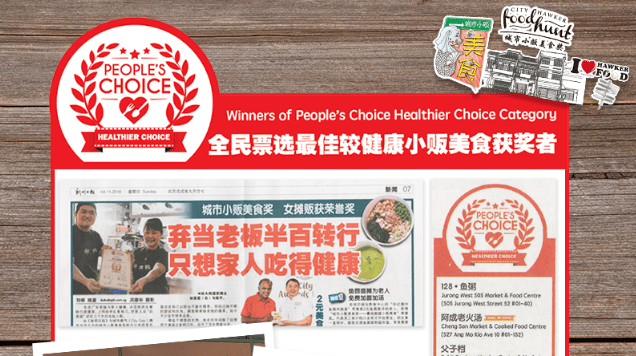
Lei Cha is less internationally famous than chilli crab or chicken rice, yet it tells a compelling Singapore story. A bowl gathers chopped greens, tofu and other toppings over rice, accompanied by a vivid herb tea soup.
It is especially useful when your food itinerary has been rich and you want a vegetable-forward meal that still feels rooted in hawker culture. Lin Da Ma serves Lei Cha at Amoy Street Food Centre and Holland Drive Food Centre.
Plan by neighbourhood, not by checklist
Food tastes better when the itinerary leaves room to wander. Pair Amoy Street Food Centre with the city centre, Chinatown and Telok Ayer. Holland Drive works well with Holland Village and nearby neighbourhood exploration.
Check opening hours before travelling: hawker stalls can sell out, close on public holidays or take rest days. Arrive with curiosity rather than a rigid ranking of “must-eats”.
This guide provides general food information, not medical advice. Singapore healthy-eating references include HealthHub’s My Healthy Plate resources. Hawker-culture context is based on UNESCO’s official inscription.